
7 Mistakes LGBTQ Home Buyers Make (and How to Avoid Them)
From skipping pre-approval to overlooking how you hold the title, here are 7 mistakes LGBTQ buyers make most often, and how to sidestep each one.

Buying a home is one of the most exciting milestones in life. It’s about more than just four walls and a roof; it’s about finding your sanctuary, building equity, and maybe even planting some literal or metaphorical roots. But for the LGBTQ+ community, the “traditional” home-buying path can sometimes feel like walking through a minefield.
While the Fair Housing Act is supposed to protect everyone, the reality is that LGBTQ home buying often comes with a unique set of hurdles—from subtle bias at the bank to neighborhood vibes that just don’t feel right.
At Pride Real Estate Connections, we’ve seen it all. We know that being an LGBTQ first time home buyer is about more than just finding a kitchen with granite countertops—it’s about finding a place where you can truly be yourself. To help you navigate this journey, we’ve rounded up the seven most common mistakes queer buyers make and, more importantly, how you can avoid them to ensure your home-buying experience is as joyful as it should be.
1. Assuming Every “Nice” Neighborhood Is an Inclusive One
It’s easy to fall in love with a charming street lined with oak trees and historic homes. But just because a neighborhood looks postcard-perfect doesn’t mean it’s the right fit for your lifestyle or safety. One of the biggest mistakes buyers make is focusing solely on the house and forgetting to vet the community.
For many, safety and inclusion aren’t just “nice to haves”—they are essentials. A neighborhood might have great schools, but are those schools affirming for trans and nonbinary youth? A local park might be beautiful, but will you feel comfortable holding your partner’s hand while walking through it?
Don’t just take the “vibes” at face value. Do your homework. Look for visible signs of inclusion like Pride flags or stickers in shop windows. Visit the area at different times of the day—especially on weekends. Check out local LGBTQ community centers or Facebook groups and ask current residents for their honest opinions. You can also research local nondiscrimination ordinances to see what protections are actually on the books in that specific municipality.
2. Settling for a “Neutral” Professional Instead of an Affirming One
We get it—sometimes you just want to get the process started, so you call the number on the yard sign or use the first lender your bank suggests. But for our community, “neutral” isn’t always enough. A professional who isn’t specifically LGBTQ-competent might inadvertently use the wrong pronouns, misunderstand your family structure, or fail to advocate for you if a seller shows signs of bias.
When you’re looking for a gay friendly realtor or an inclusive lender, you aren’t just looking for someone “nice.” You’re looking for someone who understands that your co-borrower is your spouse, even if your legal paperwork is in transition, or that your “roommate” is actually your life partner.
Be intentional about who you hire. You deserve an LGBTQ real estate agent who doesn’t just tolerate you but celebrates you. Ask potential agents about their experience working with our community. Better yet, use a service like our buyer-agent matching to get connected with pros who have already been vetted for their commitment to inclusion. You can also use our LGBTQ Homebuyer Agent Vetting Checklist to make sure you’re asking the right questions.
3. Skipping the Pre-Approval (and the Financial Reality Check)
It’s tempting to start scrolling through Zillow the second you decide you’re ready to buy, but shopping without a pre-approval is a recipe for heartbreak. In a competitive market, an offer without a pre-approval letter isn’t worth the digital paper it’s written on.
For LGBTQ buyers, there can also be unique financial nuances. Perhaps you have medical debt from a transition, or maybe you and your partner have different credit scores that need to be navigated. If you wait until you find “the one” to talk to a lender, you might find out too late that you’re looking in the wrong price bracket.
Get pre-approved—not just pre-qualified—before you look at a single house. This involves a lender actually verifying your income, debts, and credit score. It gives you a clear budget and shows sellers you’re a serious buyer. If you’re buying as a couple, talk openly with your lender about how your combined finances will look on an application.
4. Underestimating the “Invisible” Costs of Homeownership
The mortgage is just the beginning. Many first-time buyers calculate their monthly payment based on principal and interest but forget about the “Big Three”: taxes, insurance, and maintenance.
For same-sex couples buying a house, insurance can sometimes be a bit more complex if you aren’t legally married but are co-owning. Additionally, if you’re moving into a community that requires an HOA (Homeowners Association), those fees can add hundreds to your monthly nut.
Create a comprehensive budget that includes property taxes, homeowners insurance, and a “rainy day” fund for repairs. A good rule of thumb is to set aside 1% of your home’s value every year for maintenance. If the water heater blows or the roof leaks, you’ll be glad you didn’t spend every last penny on the down payment.
5. Waiving the Home Inspection to “Win” a Bidding War
In hot markets, it’s common for buyers to waive the home inspection to make their offer more attractive to sellers. We strongly advise against this. A house is likely the biggest investment you’ll ever make; you wouldn’t buy a car without looking under the hood, so don’t buy a house without knowing what’s behind the drywall.
Hidden mold, structural issues, or outdated wiring can cost tens of thousands of dollars to fix. For many in our community who may not have a traditional “family safety net” to fall back on financially, these surprise costs can be devastating.
Make the inspection a non-negotiable. If you’re in a super-competitive situation, you can offer an “as-is” inspection, which means you won’t ask the seller for repairs, but you still have the right to walk away if the inspector finds something terrifying. Knowledge is power—don’t give it up just to close the deal.
6. Neglecting the Legal “Safety Net” for Nontraditional Families
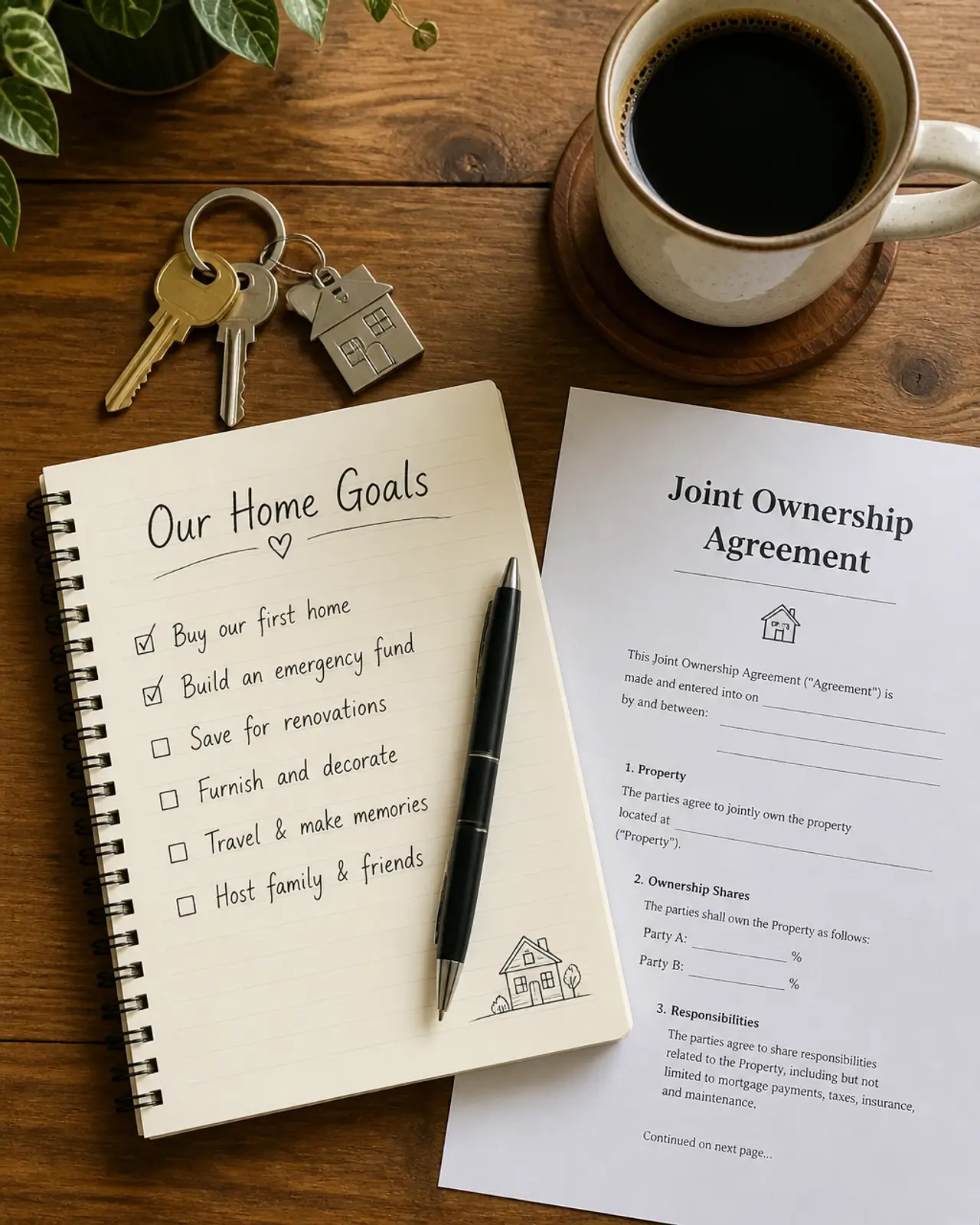
Real estate law is often built around the “standard” nuclear family. If you are buying a home with a partner and you aren’t legally married, or if you’re buying with a “chosen family” member, the way you hold the title matters immensely.
What happens if one partner passes away? Does the house go to the other partner, or does it go to a distant relative who might not be affirming? These are heavy questions, but ignoring them is a major mistake.
Work with an LGBTQ-competent attorney to decide how to hold the title (for example, Joint Tenancy with Right of Survivorship versus Tenants in Common). Ensure you have updated wills, powers of attorney, and healthcare proxies that reflect your new status as a homeowner. It’s about protecting your partner and your peace of mind.
7. Letting the Stress of Potential Discrimination Drive Your Decisions
Let’s be real: the fear of being judged or turned away because of who you are is exhausting. Sometimes, that stress can lead buyers to rush through the process “just to get it over with” or to accept less-than-ideal terms because they’re afraid to push back.
Buying a home should be a celebration of your identity and your future, not a process where you feel you have to hide parts of yourself to be “palatable” to a seller or a bank.
Build a support squad. Surround yourself with friends, family, and professionals who affirm your identity. If a lender makes a comment that feels off, or a seller seems hesitant because of your family structure, don’t be afraid to walk away. There are plenty of people who want your business and will treat you with the respect you deserve.

Your Home Is Waiting. Let’s Find It Together.
Avoiding these mistakes is a lot easier when you have an expert in your corner. You deserve a home-buying journey that is free from bias and full of support. Whether you’re a first-timer or looking for your next move, you don’t have to do this alone.
At Pride Real Estate Connections, we specialize in matching you with agents who don’t just “understand” the LGBTQ+ community—they are part of it, or they are fierce, proven allies.
Ready to stop worrying about “mistake #2” and start your journey with a pro who has your back?

Devin Schaff is a dedicated real estate professional, advocate, and co-founder of Pride Real Estate Connections, a global referral network that connects LGBTQ+ individuals, allies, and supporters with real estate agents who truly understand and respect them. Based in Mobile, Alabama, Devin is a Realtor® with over three years of experience and co-owner of the Prime Realty Group. Growing up in the South, Devin understands firsthand the challenges that can come with being openly LGBTQ+ in environments where being out isn't easy. After experiencing less-than-welcoming service from a real estate agent who appeared uncomfortable working with a gay couple, and hearing similar stories from others, he co-founded Pride Real Estate Connections. Today, Devin is committed to ensuring that no one has to question whether they will be respected, understood, or treated fairly when buying or selling a home. His mission is to make real estate a safe, inclusive, and empowering experience for everyone.